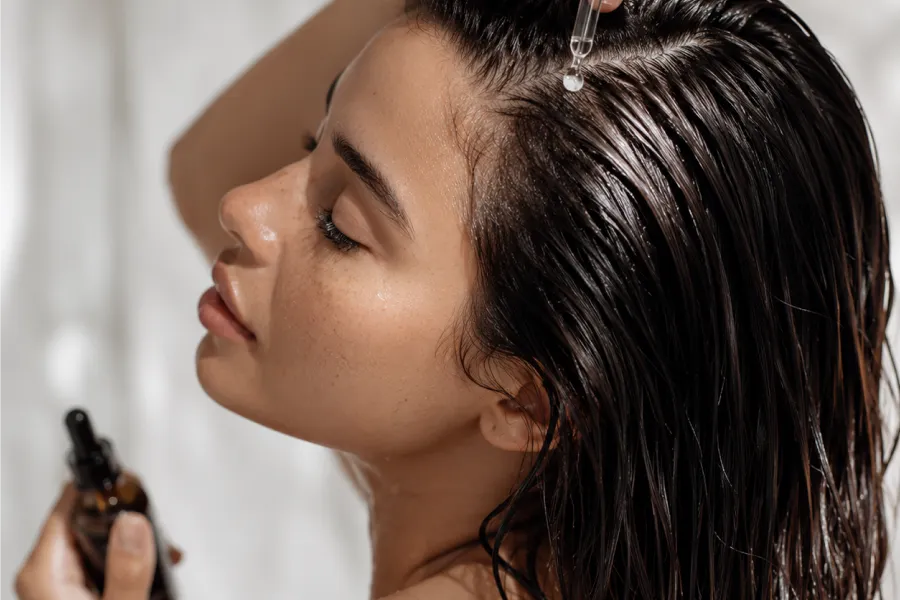
A sleep hair protection checklist gives your nighttime routine structure when you are too tired to make beauty decisions. Many people invest in shampoos, conditioners, masks, oils, and styling products, then lose progress during sleep. Hair rubs against fabric. Ends dry out. Loose strands tangle at the nape. Curls flatten against the pillow. Straight hair develops creases that need heat in the morning. A simple checklist prevents those problems before they start. It helps you repeat the right steps in the right order. Your hair does not need perfection at night. It needs protection, consistency, and a routine that fits your actual life.
A sleep hair protection checklist works because it turns scattered habits into a clear sequence. Without a checklist, you may cover your hair one night and forget the next. You may add moisture when your hair does not need it. You may skip detangling until knots become harder to remove. A checklist keeps the routine balanced. It reminds you to protect the hair shaft, the ends, the roots, and the style. It also helps you avoid overdoing product. A useful overnight hair care guide should make choices simpler. That simplicity is what makes nighttime care sustainable.
Start your checklist by removing anything that creates tension. Take out tight elastics, heavy clips, sharp pins, and accessories that pull at the scalp. Hair should not spend the night under strain. If you wore a sleek style during the day, release it gently before bed. Use your fingers first, then a wide-tooth comb only where needed. This prevents unnecessary pulling. Focus on the areas that tangle most, such as the nape, crown, and ends. Do not rush this step. Gentle release prepares the hair for every protective step that follows. It also makes the next morning noticeably easier.
A sleep hair protection checklist should include a quick moisture check. Dryness is one of the biggest reasons hair feels rough in the morning. However, not every hair type needs product every night. Fine hair may become limp when overloaded. Coily or textured hair may need light moisture on the ends more often. Color-treated hair may need extra softness after styling. Rub a tiny amount of leave-in or oil between your palms before applying it. Keep the product away from roots if your scalp gets oily. This balanced approach supports a healthy hair night routine without creating buildup.
Your checklist should change depending on your hair texture and style goals. Curly hair may need a loose pineapple, satin bonnet, or large sections that preserve curl shape. Natural hair may need twists, braids, or a scarf that protects ends. Straight hair may need a soft wrap to prevent bends and tangles. Wavy hair often needs light scrunching and gentle lift at the roots. Short hair may need only a satin pillowcase and a moisture check. Long hair may need loose containment so it does not twist overnight. A strong curly hair sleep routine should never copy straight-hair methods blindly.
Fabric choice belongs on every sleep hair protection checklist. A satin bonnet, silk scarf, or smooth pillowcase can reduce friction while you move. This matters even if you use excellent hair products. Products cannot fully protect hair from rough fabric all night. If bonnets feel uncomfortable, try a satin pillowcase first. If scarves slip, use a softer tie method or a different shape. If your hair is long, tuck the ends inside the bonnet before sleeping. Ends are usually the oldest and most fragile part of the hair. Protecting them helps support length retention and a smoother morning finish.
A sleep hair protection checklist works better when you can see it. Keep it near your mirror, nightstand, or hair product shelf. Visibility reduces the chance of skipping steps. It also helps you build a rhythm. You might list only five actions: release tension, check moisture, detangle gently, secure hair, and use satin or silk. That is enough for most nights. A more detailed checklist can help on wash days, travel nights, or protective-style maintenance days. The point is not to create pressure. The point is to remove confusion. When the steps are visible, care becomes easier to repeat.
Your hair may need different support in winter, summer, humid weather, or dry indoor air. Winter often calls for more moisture on the ends. Summer may require lighter products and stronger frizz control. Humidity can change how curls hold shape overnight. Air conditioning can dry hair faster than expected. Your checklist should adapt instead of staying rigid. This is where observation becomes powerful. Notice how your hair responds after each night. If it wakes up dry, adjust moisture. If it wakes up flat, reduce product or tension. Over time, your checklist becomes personal, practical, and much more effective.



Leave a comment