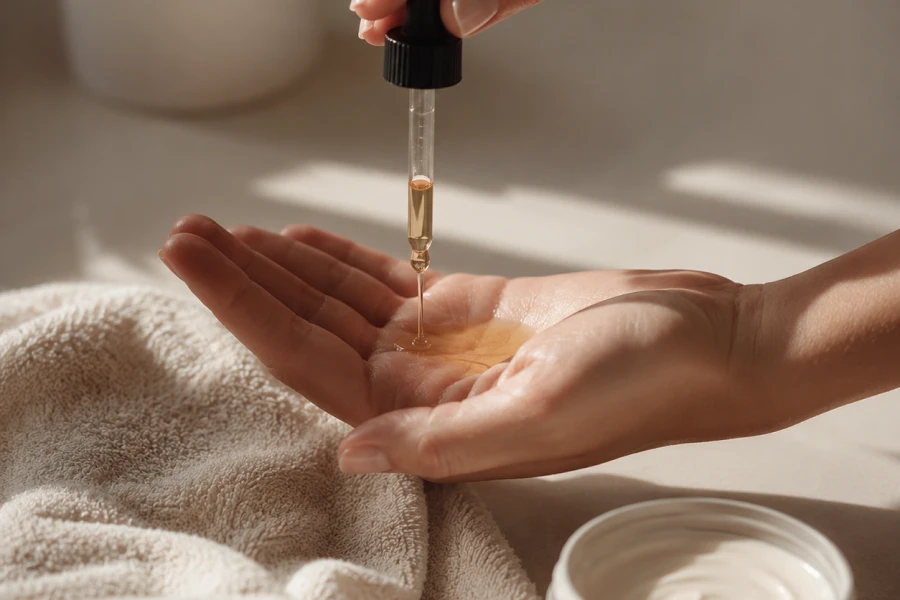
An aromatherapy self-care routine helps you create emotional pauses inside an ordinary schedule. Modern days often move quickly, leaving little space between tasks, messages, errands, and personal responsibilities. Scent can become a gentle signal that asks you to slow down. It can mark the beginning of the morning, the middle of a stressful afternoon, or the transition into evening rest. The power is not only in the aroma itself. It is in the ritual built around it. When scent pairs with breathing, journaling, stretching, or quiet tea, it becomes part of a more mindful daily rhythm.
An aromatherapy self-care routine feels personal because scent connects strongly with memory and emotion. One aroma may remind you of a clean kitchen, a garden, a spa, or a peaceful walk. Another scent may feel too intense or distracting. That is why a good routine should begin with preference, not trends. You do not need every essential oil or every diffuser style. You need scents that support your mood and fit your environment. A thoughtful holistic aromatherapy guide helps you choose with intention. It keeps self-care focused on experience instead of collecting products.
Your morning scent anchor should help you enter the day with steadier attention. Some people prefer bright citrus notes because they feel clean and energizing. Others like herbal or green aromas that make the morning feel fresh. Use scent while opening curtains, making tea, stretching, or reviewing your priorities. This creates a sensory cue that separates waking from rushing. Keep the routine short enough to repeat on busy mornings. Even two minutes can feel meaningful when done consistently. The point is not to escape responsibility. The point is to begin responsibility with more presence and less mental clutter.
An aromatherapy self-care routine can support workdays without becoming distracting. A personal inhaler, lightly scented hand cream, or small diffuser can create a quiet reset. Use it between meetings, after difficult conversations, or before focused work. Pair the scent with three slow breaths. Let your shoulders drop. Notice the room around you. Then return to the task with a clearer mind. A daily wellness aroma ritual works best when it blends into your real schedule. It should not demand a perfect environment or a long break.
Evening aromatherapy should feel different from morning aromatherapy. The goal shifts from activation to release. Softer aromas can help signal that the active part of the day is ending. Use scent while washing your face, tidying your space, reading, or preparing for bed. Dim lighting can make the ritual feel more complete. Put your phone away for a few minutes if possible. A slower atmosphere helps the aroma feel more connected to rest. Over time, your evening scent may become a familiar boundary. It tells your mind that you are allowed to stop performing and begin settling.
An aromatherapy self-care routine should always include safety. Essential oils are concentrated and require thoughtful use. Dilute topical blends properly. Avoid applying oils near the eyes. Use diffusers with ventilation. Consider children, pets, pregnancy, allergies, asthma, and sensitive skin. More scent is not always better. A subtle aroma often feels more elegant and comfortable than a strong one. If a scent causes discomfort, stop using it. Self-care should never feel irritating or forced. A responsible mindful aromatherapy routine respects both emotional goals and physical comfort.
Aroma becomes more powerful when it supports a wider mindful lifestyle. You might pair lavender with evening journaling, rosemary with planning, or citrus with morning movement. The exact scent matters less than the association you create. Repetition teaches your body what the ritual means. Your space begins to feel more intentional. Small moments gain texture. A mindful living ebook can help you organize these rituals into morning, midday, and evening practices. This structure prevents wellness from feeling vague. It gives self-care a shape you can actually use.
An aromatherapy self-care routine should change as your life changes. A scent that feels perfect in summer may feel too bright in winter. A routine that worked during a calm season may need adjustment during a stressful one. Notice what you reach for naturally. Notice what you avoid. Keep the rituals that feel supportive, and release the ones that feel decorative. This makes aromatherapy more honest. It becomes less about creating a pretty shelf and more about creating useful emotional support. With time, scent can become a steady companion through work, rest, reflection, and daily renewal.



Leave a comment